
Back pain caused by vertebral fractures can significantly affect mobility and quality of life. One of the most advanced and minimally invasive solutions available today is kyphoplasty, a technique designed to stabilise fractures and restore spinal alignment. At our spine specialists in Delhi, this modern intervention is increasingly recommended for patients suffering from painful vertebral compression injuries.
In this blog, we explore kyphoplasty, its benefits and risks, and why it is considered an effective treatment for compression fractures.


Understanding the Need for Kyphoplasty
Spinal compression fractures occur when vertebrae collapse due to weakened bone structure. This can lead to:
-
Severe back pain
-
Reduced height
-
Limited mobility
-
Spinal deformity (kyphosis)
In such cases, kyphoplasty offers a structured spine compression fracture treatment that addresses both pain and structural damage. Many patients who undergo kyphoplasty experience rapid relief compared to conservative treatments.
What is Kyphoplasty?
Kyphoplasty is a minimally invasive surgical technique used to treat spinal fractures, especially those caused by osteoporosis, trauma, or tumours. The procedure involves inserting a small balloon into the fractured vertebra, inflating it to restore height, and then filling the space with bone cement.
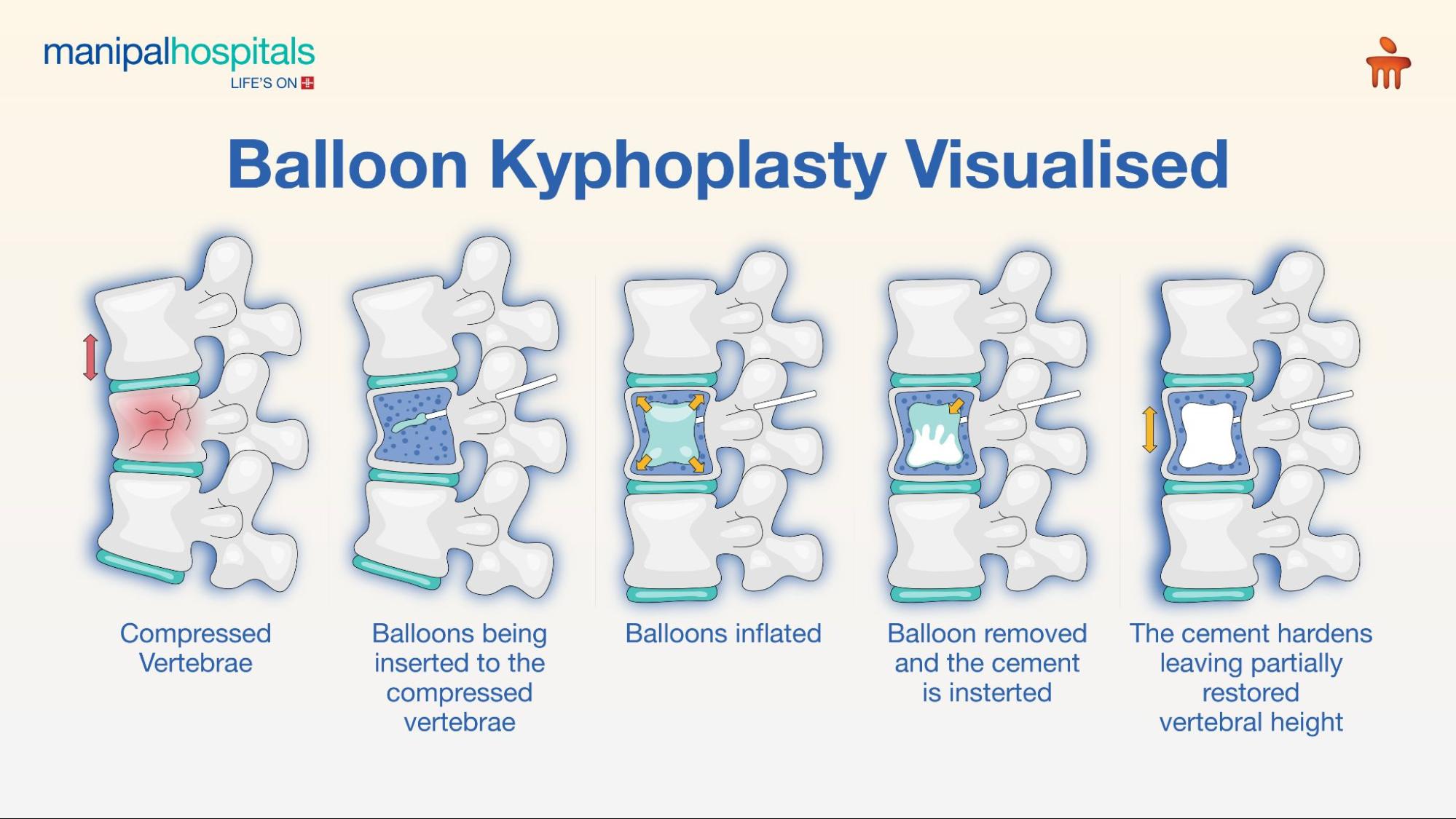
Unlike traditional surgeries, kyphoplasty focuses on stabilising the fracture while reducing pain and improving posture. Because of its targeted approach, kyphoplasty is widely regarded as a reliable spine compression fracture treatment option.